Environment · Renewable energy
Living systems,
a source of energy
Impact Biosystem puts life science to work for the ecological and energy transition: environmental monitoring, ecosystem restoration, green roofs and green infrastructure, energy systems, drones, GIS and data science, research and innovation.

Expertise
Layer by layer, from the atmosphere to heat exchange
Our symbol is a cross-section of an ecosystem, read from top to bottom. Each of its six layers stands for one field in which Impact Biosystem works.

-
01
Drone imaging and analysis
Thermography, multispectral imaging, 3D models and orthomosaics to assess buildings, roofs, crops and natural sites. Flights and analysis by a certified drone pilot.
-
02
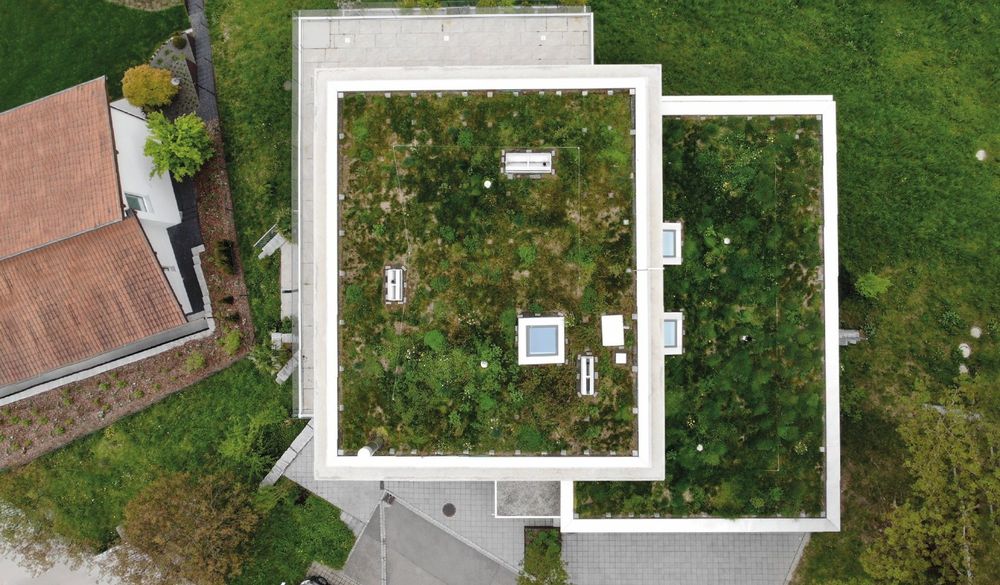
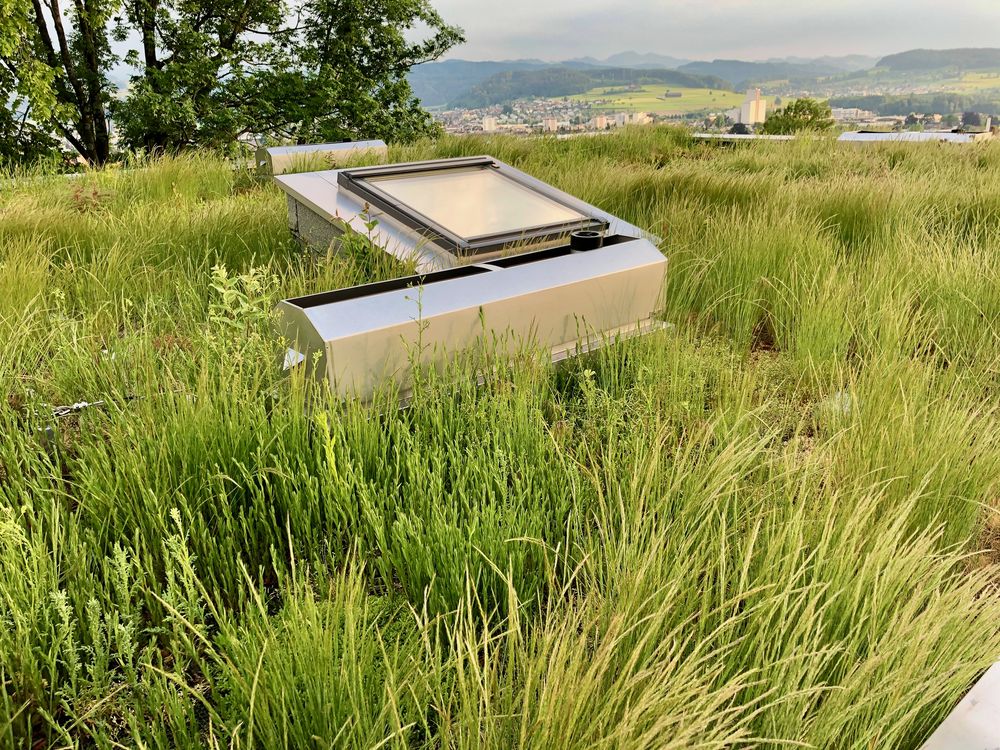
Green roofs and green infrastructure
Design and monitoring of green flat roofs and green infrastructure that retain rainwater, insulate, cool the city, extend roof lifespan and provide habitat for biodiversity.
-
03
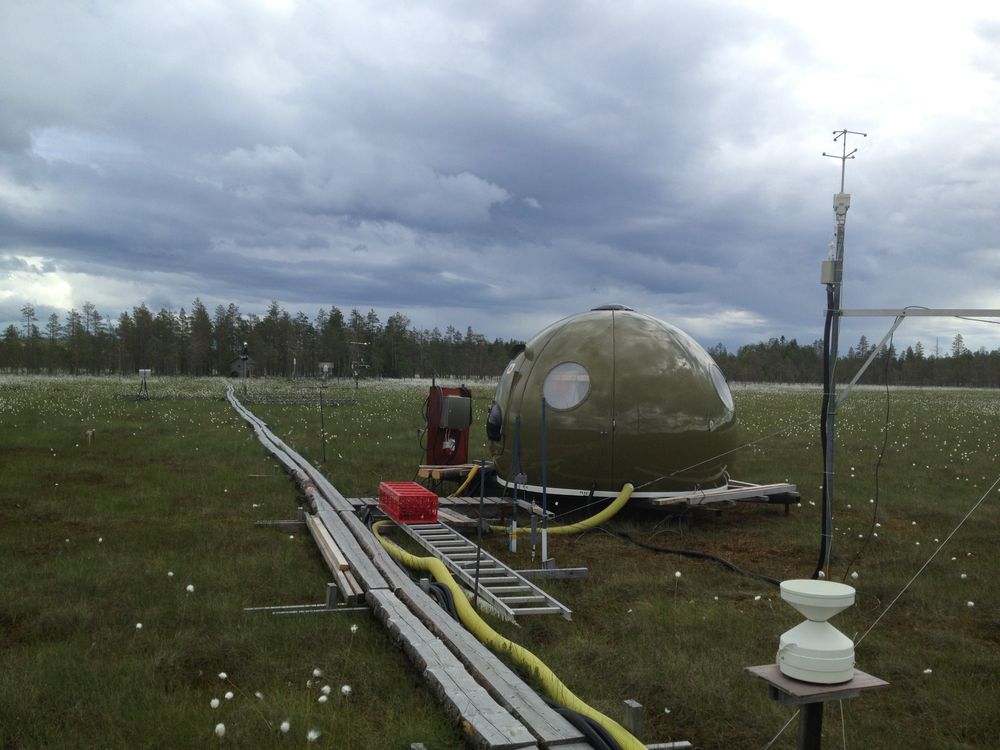
Environmental monitoring and surveys
Field and laboratory measurements of soils, water and vegetation: greenhouse gas fluxes (CO2, CH4, N2O), carbon budgets, stable isotopes, microbiology (methanogens, methanotrophs), long-term site monitoring.
-
04
Ecosystem restoration
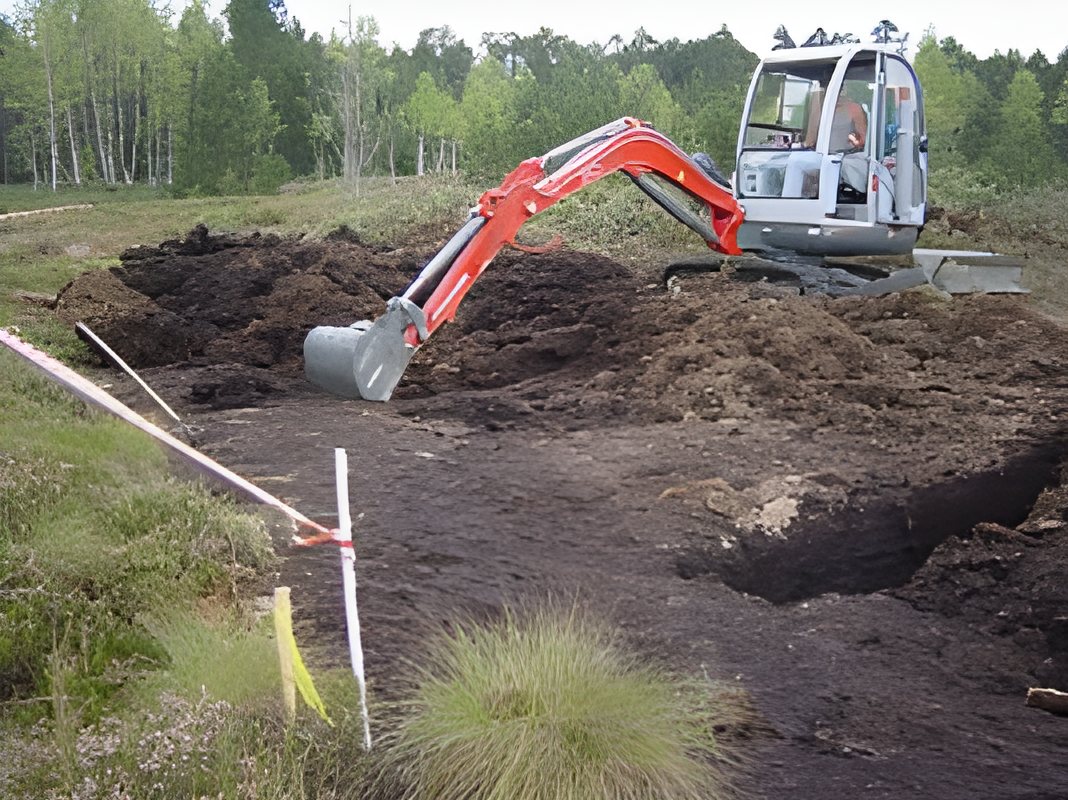
Assessment, restoration and monitoring of wetlands – marshes, peatlands, mangroves – and riparian forests, to restore their functions: carbon storage, water regulation, biodiversity.
-
05
Energy systems
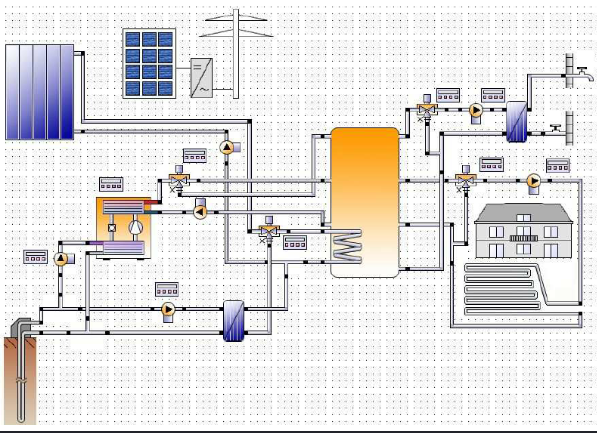
Modelling and planning of renewable energy systems for buildings and sites: photovoltaics, heat pumps, biogas, storage and self-consumption.
-
06
Research, development and innovation
From idea to patent: feasibility studies, prototyping, scientific publications and technology transfer. BioThermal HP is the most advanced example.
Discover BioThermal HP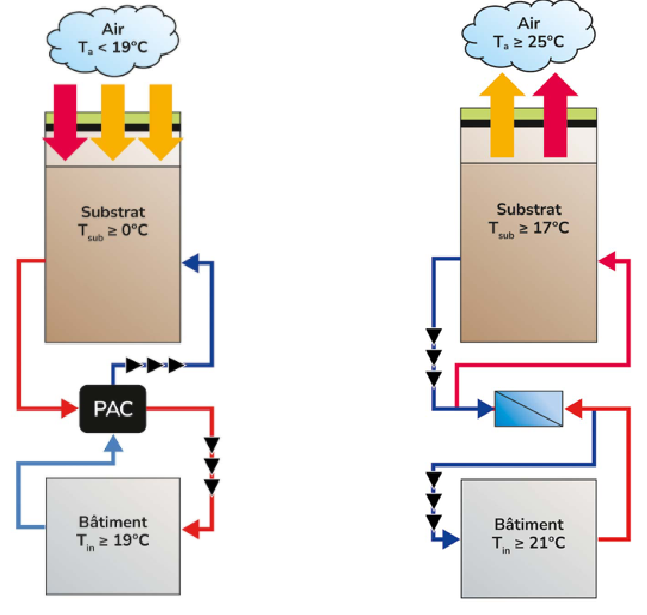


Across all layers: GIS, statistics and data science
WebGIS, satellite remote sensing, spatial analysis, statistics, modelling, machine learning and generative AI to turn environmental data into decisions.
Completed projects
A selection of projects since activities began
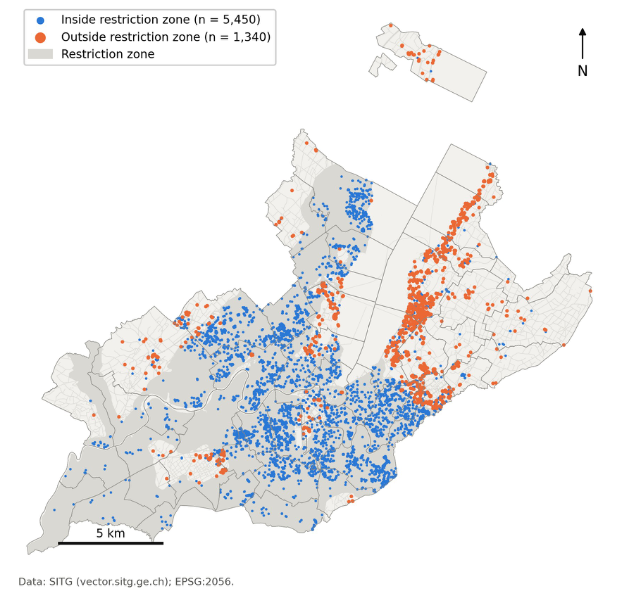
2026GIS study of restrictions on geothermal heat pumps, GenevaIdentify buildings that cannot use a geothermal heat pump 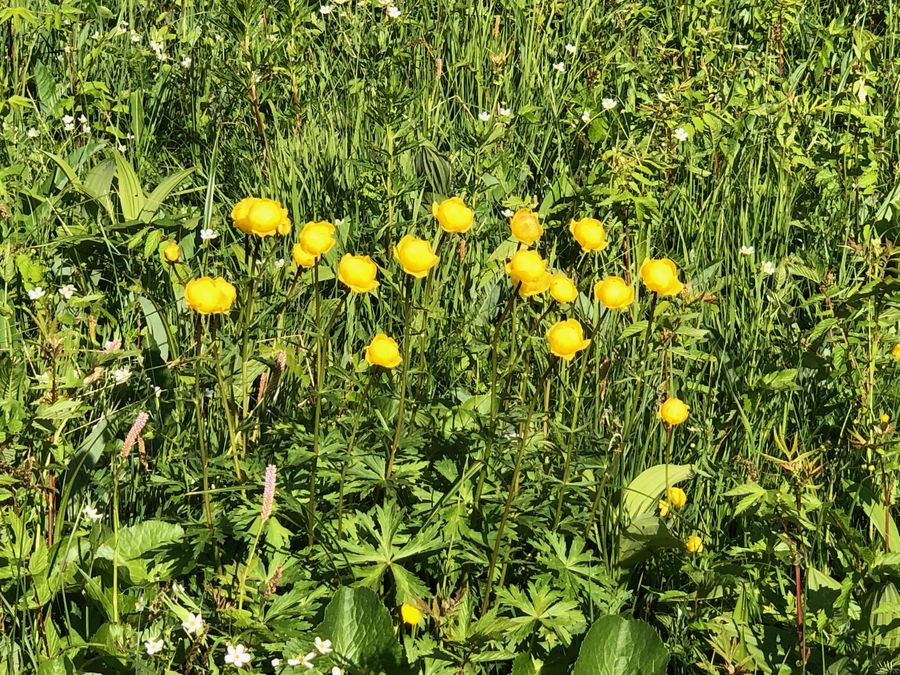
2025Management of dry and wet meadows, St. Gallen and VaudPreserve biodiversity and keep invasive plants out 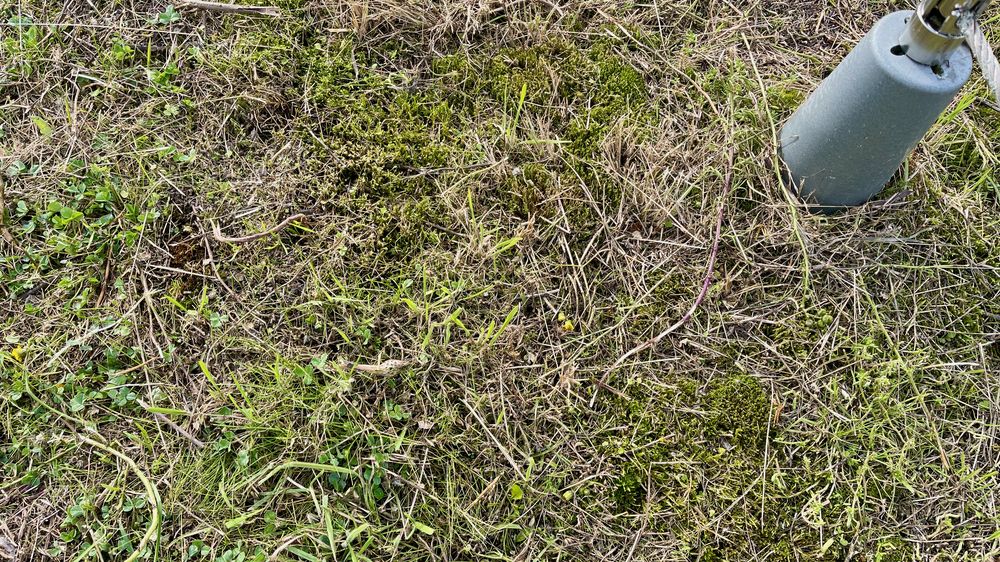
2024Green roof maintenance at various sitesSafely control water runoff and sequester carbon as compostable litter 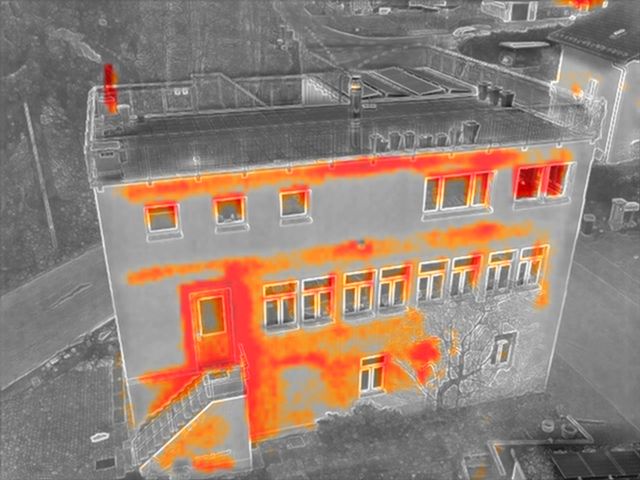
2023Drone thermography, Le LoclePinpoint heat losses precisely, which a CECB energy certificate does not do! The benefits are immediate, without major renovation. 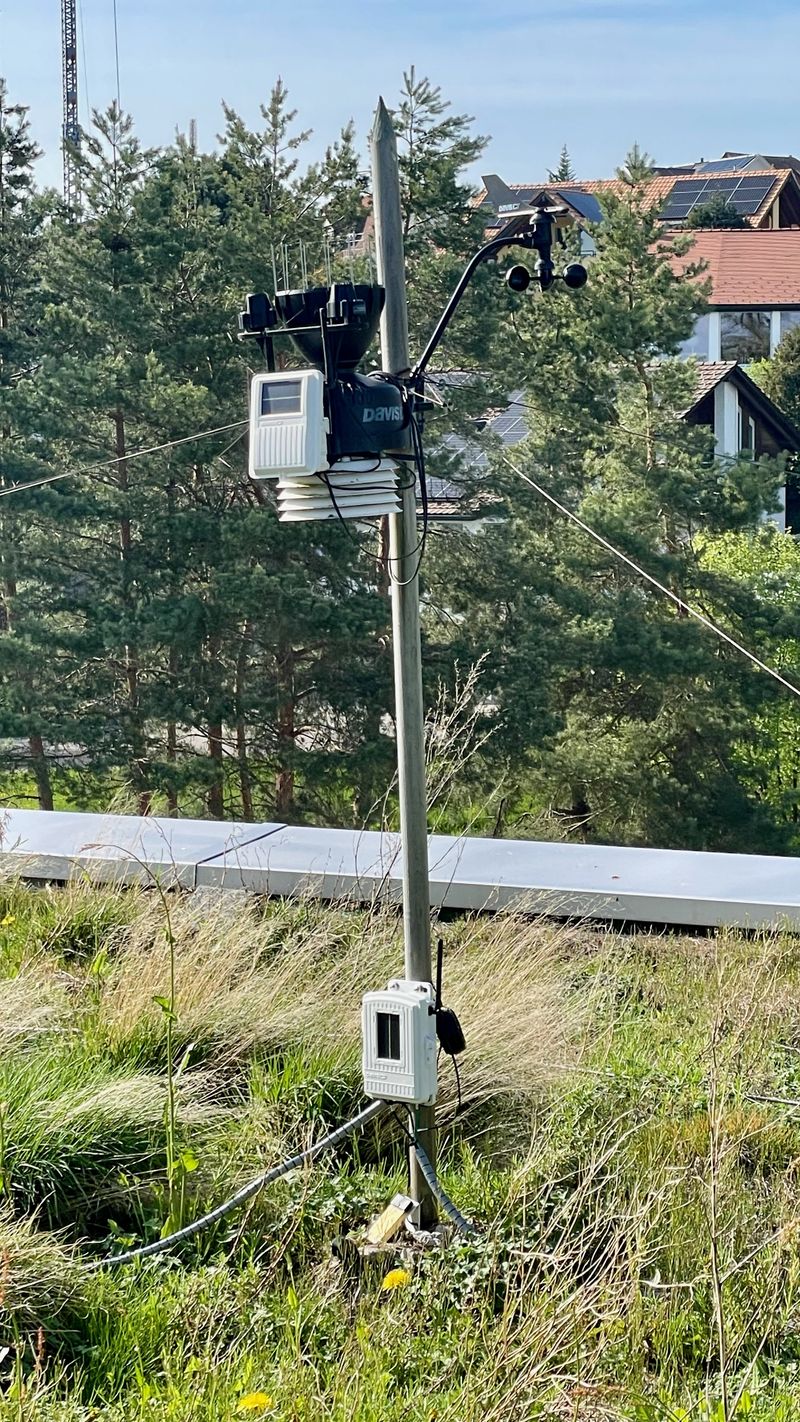
2022Adding a leaf-soil module to an existing weather stationEnable continuous monitoring and guarantee data quality 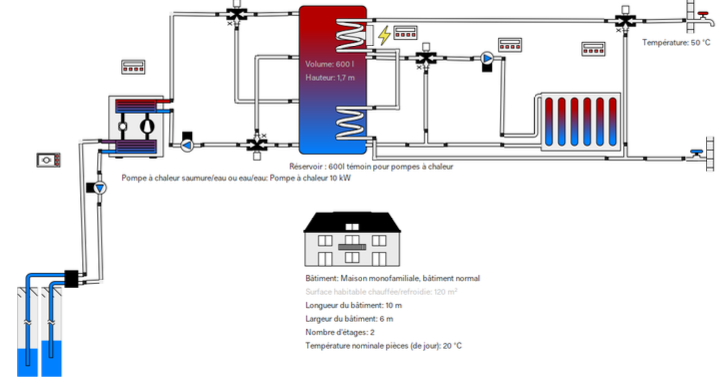
2021Hydrothermal heat pump model, Montesquieu (France)Use unusual resources and secure the best recovery performance, without noise 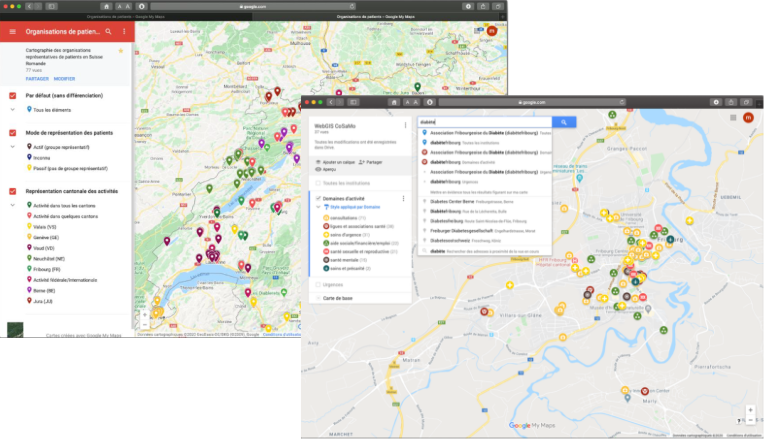
2020Mapping patient organisations, DigiHealth and CoSaMo, HEdS FribourgMake public data easier to access and improve data management 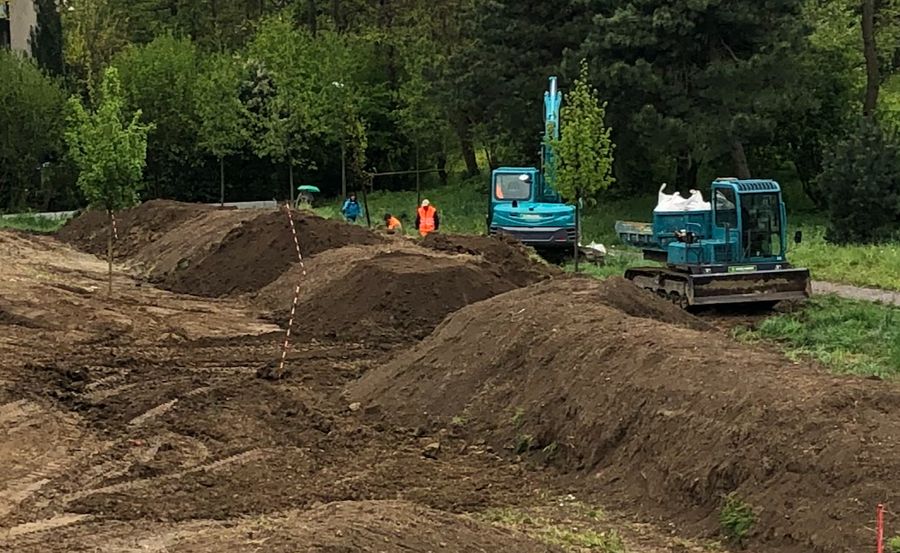
2019Green infrastructure planning, St. GallenBring nature back into the city and create a biodiversity corridor 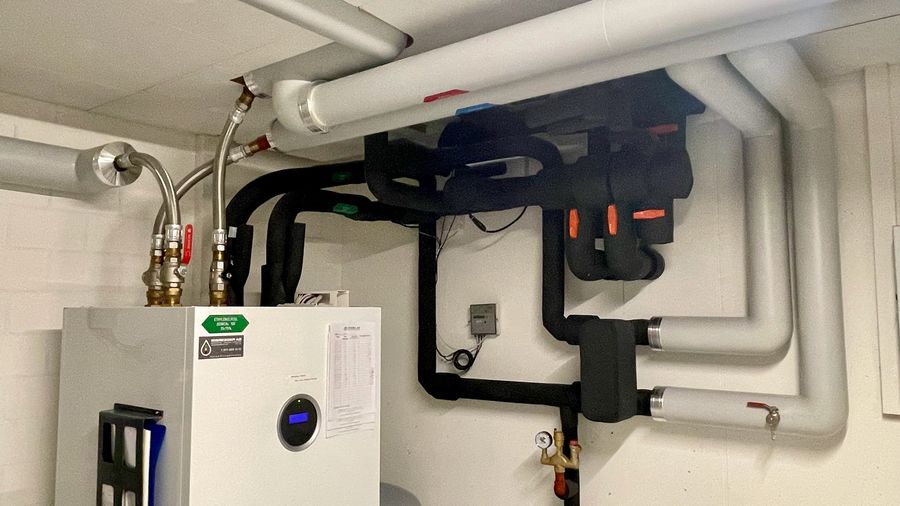
2018Planning and sizing the BioThermal HP circuitry in the boiler roomHeat and cool more efficiently while saving money in the short and medium term 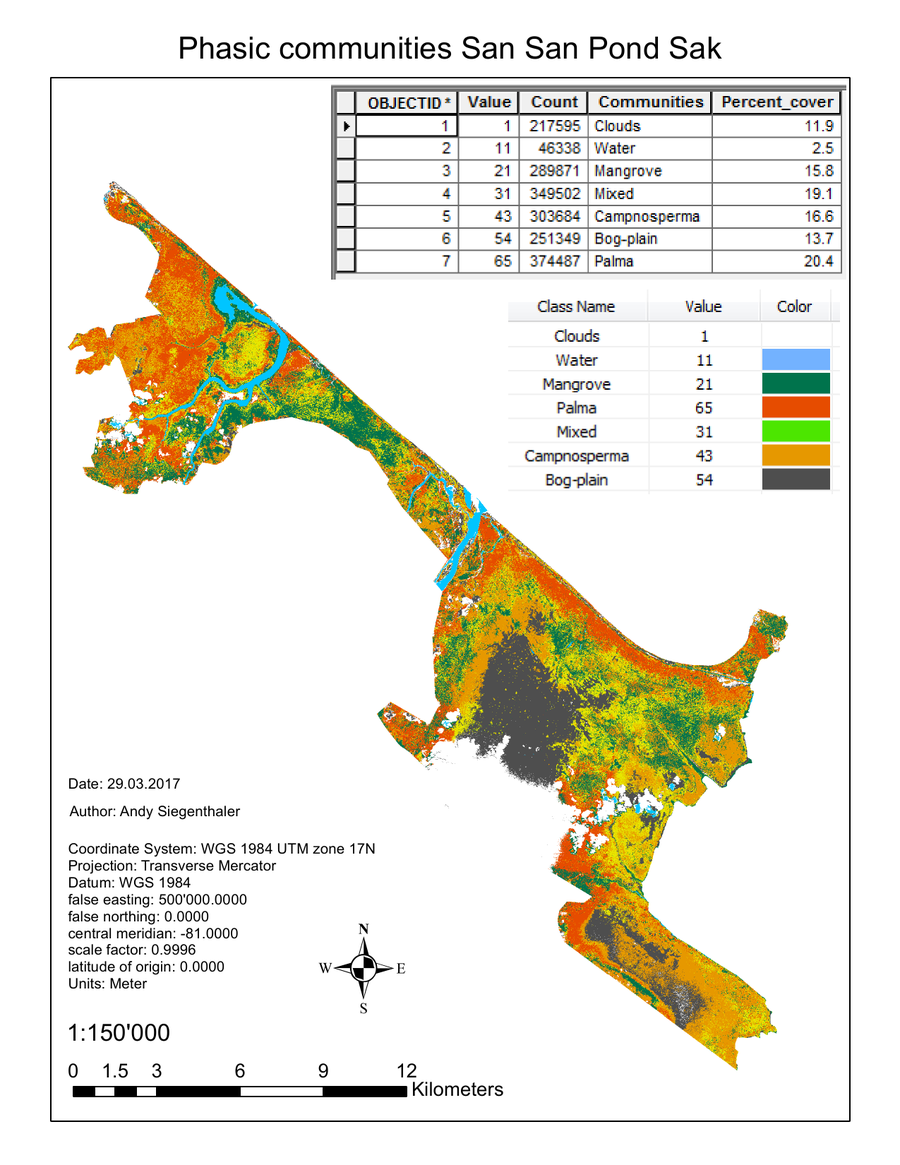
2018Phasic plant communities mapped by machine learning, PanamaUpscale greenhouse gas emissions to the regional level and better explain satellite-data models


Patented innovation
BioThermal HP, the biothermal heat pump
A green roof becomes the building’s heat source. Water held in the substrate stores energy from the sun, air and rain, as well as latent energy released by condensation and freezing, then releases it when it is needed.

- Heats and cools the building with renewable energy captured on the roof.
- Silent: ideal in cities, no noise study required.
- No drilling: usable where geothermal boreholes are prohibited.
- High-performing: a water-to-water system with higher COP and SCOP than air-to-water and ground-source heat pumps at equal source temperature.
- Recharged daily, with no depletion of the source over the years.
- Good for living systems: CO2 sequestration, biodiversity, water retention, fewer urban heat islands.
About
From lab to field, from data to decision
Andy Siegenthaler has devoted most of his professional activity to researching the biogeochemistry (soils, water, vegetation, atmosphere), microbiology (methanogens, methanotrophs) and ecophysiology of wetlands – from EPFL and WSL to the Swedish University of Agricultural Sciences, The Open University and the Smithsonian Tropical Research Institute.
Controls on the production, transport and degradation of greenhouse gases in wetland ecosystems (marshes, peatlands, mangroves), as well as in riparian forests, rainforests (Amazonia, Panama, Costa Rica) and cloud forests (Andes), under climate change or regeneration.
Trained in renewable energy techniques and applications, geomatics and data science, he brings his curiosity to a wide range of projects, from environmental monitoring to energy planning.
He often works in partnership with various companies and specialists.
Together with Shimara Record, Impact Biosystem builds synergies in science communication and environmental education, sharing knowledge about living systems, climate and energy with every audience.
Contact
Let’s talk about your project
A roof, a building, an ecosystem or data to put to work: write or call – the first conversation is free of obligation.